Ecommerce Development in Los Angeles, CA
Shopify, Shopify Plus, and headless storefronts built to convert and scale
Helping Entertainment, Technology, Fashion and other businesses across the Greater Los Angeles Area grow online.
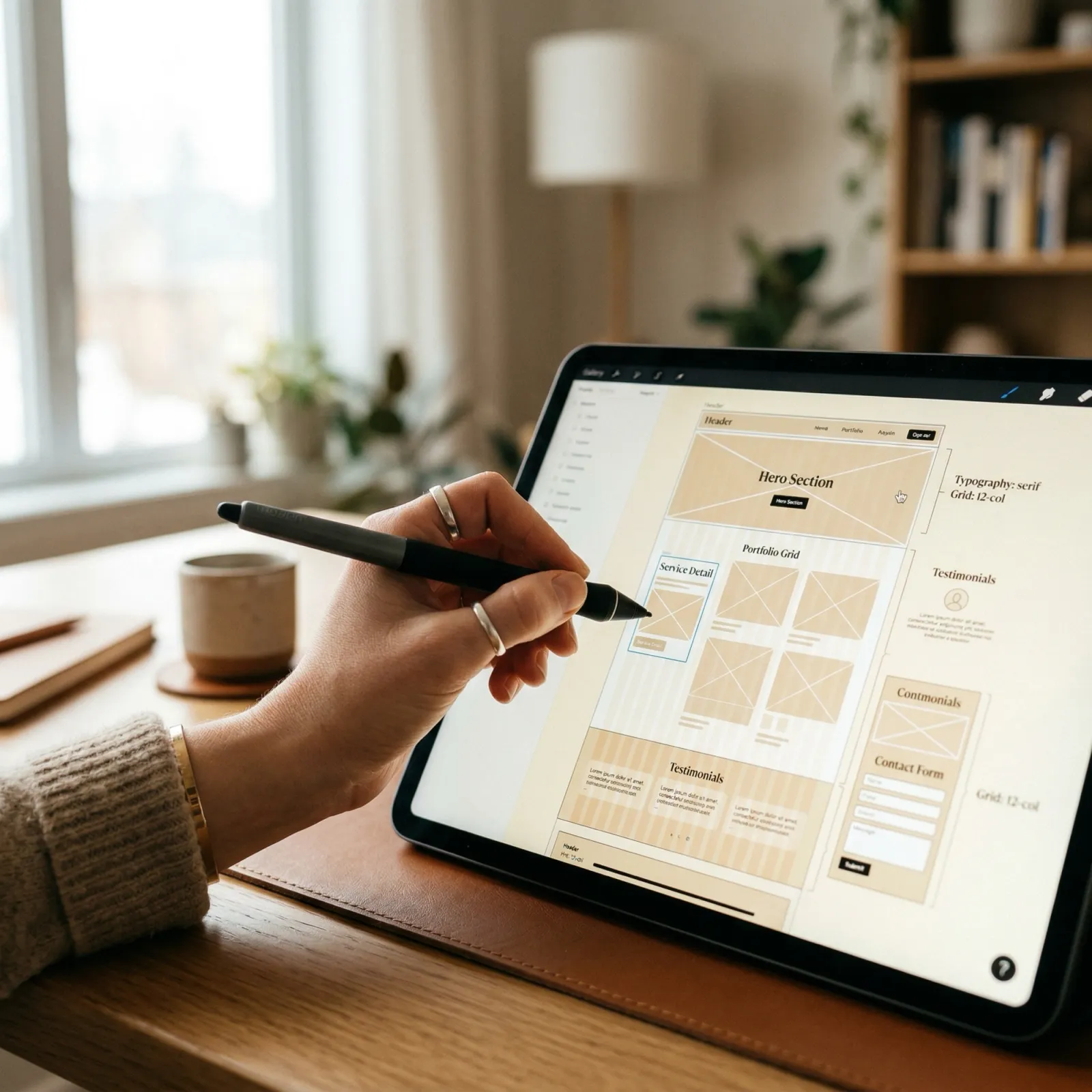
We build online stores that move product, not just look pretty. Most of our work lives on Shopify and Shopify Plus, with headless Next.js storefronts for brands that need full control over the front end. Every build starts with the same questions: where are buyers dropping off, what is killing average order value, and which third-party tools (Klaviyo, Stripe, ShipStation, ERP) need to talk to the store on day one? From there we design product pages, checkout flows, and back-end integrations that hit Core Web Vitals targets and give your team something they can actually run without a developer on speed dial.
Ecommerce Development in Los Angeles, CA
The city is one of the largest DTC origin markets in the world, with fashion, beauty, lifestyle, fitness, and entertainment brands launching out of the metro at a pace that no other California city matches.
The DTLA Fashion District, one of the country's largest apparel manufacturing and wholesale hubs, sits a few miles from the streetwear retail layer along Melrose, Fairfax, La Brea, and Abbott Kinney.
Shopify is the default platform from Sherman Oaks to Santa Monica; Shopify Plus dominates the venture-backed and influencer-led tier; headless Hydrogen and custom Next.js builds carry the brands that compete with national peers on editorial depth and Core Web Vitals.
Beauty and personal-care DTC concentrates in West Hollywood, Beverly Hills, and the Westside, with cosmetic surgery and dermatology practices in Beverly Hills running parallel skincare and post-procedure product storefronts.
Ecommerce Development for Los Angeles's Top Industries
How we apply ecommerce development to the verticals driving Los Angeles's economy.
Fashion
LA fashion ecommerce is the densest in the country. DTLA Fashion District wholesalers and importers run B2B Shopify Plus or NuOrder-integrated storefronts for buyer accounts, with line-sheet ordering, NET-30 terms, and minimum-order logic. Streetwear and DTC apparel brands along Melrose, Fairfax, La Brea, and Abbott Kinney almost always run Shopify; the venture-backed and influencer-led tier graduates to Shopify Plus, with the strongest brands going headless on Hydrogen or Next.js for drop mechanics, queue systems, and editorial depth. Influencer-led brands frequently need creator-attribution tracking, affiliate logic, and pre-order handling that the standard checkout does not cover. SB 62 supply-chain compliance and ADA Title III exposure both belong on the engineering punchlist from day one.
See all industries we serveEntertainment
Entertainment ecommerce in LA splits across studio merchandise, talent-driven brands, and creator-economy storefronts. Studios in Burbank and Culver City run merchandise programs through Shopify Plus or custom Next.js commerce, with licensing logic, regional rights handling, and integrations with fulfillment partners that handle officially licensed inventory. Talent agencies on Wilshire support client storefronts that need creator payouts, drop scheduling, and influencer-attribution tracking. Independent production companies and post-production houses occasionally launch limited-run merchandise tied to project releases; the build pattern is a short-lived Shopify storefront with pre-order and queue logic. AB 5 worker-classification rules affect how production-adjacent labor and creator collaborators can be engaged.
See all industries we serveHealthcare
LA healthcare ecommerce concentrates in cosmetic medicine, dermatology, and medspa retail. Beverly Hills and West Hollywood plastic surgery and dermatology practices run Shopify storefronts for skincare, supplement, and post-procedure product lines alongside their booking funnels. Multi-location dental groups across the Valley sometimes layer in retail for whitening and aligner products. Behavioral health and orthopedic practices occasionally sell program kits or rehab products through standalone storefronts. The build pattern keeps Shopify for catalog and checkout, with patient data and PHI living in HIPAA-eligible systems; product purchases never share a database with patient records. California CMIA layers stricter consent rules on top of HIPAA, which affects analytics pixel and email tool configuration.
See all industries we serveEcommerce Development Across Los Angeles
We work with businesses across Los Angeles's commercial districts and surrounding communities.
Downtown Los Angeles (DTLA)
Fashion District wholesalers and importers run B2B Shopify Plus storefronts with line-sheet ordering, NET-30 terms, and minimum-order logic for retail-buyer accounts.
West Hollywood
Beauty, fashion, and lifestyle DTC brands along Melrose and Sunset run Shopify or Shopify Plus storefronts that hold up against national luxury peers on design and performance.
Beverly Hills (adjacent)
Cosmetic surgery, dermatology, and luxury retail along Rodeo Drive expect editorial-grade Shopify storefronts with skincare and post-procedure product lines kept fully separate from PHI systems.
Santa Monica (adjacent)
Silicon Beach DTC and ad-tech-adjacent brands launch headless Hydrogen or Next.js builds against Shopify's Storefront API for editorial depth and Core Web Vitals control.
Culver City
Studio merchandise, post-production swag, and entertainment-adjacent brands run Shopify Plus storefronts with licensing logic and fulfillment-partner integrations.
Venice
Beachfront DTC, fitness, and creator-led brands along Abbott Kinney and Main Street favor Shopify Plus with drop mechanics, queue systems, and influencer-attribution tracking.
Silver Lake / Echo Park
Indie design studios, small-batch DTC brands, and creative-class retailers ship Shopify storefronts with photography systems and local-delivery zones for Eastside buyers.
Burbank (adjacent media corridor)
Studio merchandise programs and licensed-product storefronts for Warner Bros., Disney, and Nickelodeon-adjacent brands run on Shopify Plus or custom Next.js commerce.
Why Los Angeles's Market Looks the Way It Does
Greater Los Angeles metro population exceeds 13 million across LA and Orange counties, with hundreds of thousands of active businesses operating across the region.
A regional buyer pool this large rewards storefronts that handle multi-zip shipping logic, neighborhood-aware merchandising, and same-day delivery zones across distinct submarkets like Beverly Hills, the Valley, and the Eastside.
The Port of Los Angeles is the busiest container port in the Western Hemisphere by volume, anchoring a regional logistics economy that touches retail, apparel, and manufacturing.
Fashion District importers and consumer-goods brands ship freight at scale through Long Beach and Vernon, which makes warehouse-routing logic and B2B wholesale channels a real ecommerce engineering surface rather than an afterthought.
The LA-area entertainment industry directly employs hundreds of thousands of workers across studios, post-production, agencies, and independent production.
Studio merchandise, talent-driven brands, and creator-economy storefronts represent a durable LA-specific ecommerce category, with steady demand for licensing logic, drop mechanics, and creator-attribution tooling.
Los Angeles Ecommerce Development FAQs
Questions we hear most often from Los Angeles businesses about ecommerce development.
Should our LA fashion brand launch on Shopify Plus or go headless?
+
How do we handle same-day delivery in LA for a Beverly Hills or Santa Monica storefront?
+
How do shipping and Port of LA logistics affect a Fashion District brand?
+
What's a realistic timeline for a Shopify Plus or headless build for an LA brand?
+
What's a realistic budget for an LA Shopify Plus or headless build?
+
How do California ADA / Unruh Act rules affect an LA ecommerce site?
+
How does AB 5 affect creator and production-adjacent labor for an LA storefront?
+
How do CCPA / CPRA rules affect a Beverly Hills medspa or DTC brand storefront?
+
Why hire Verlua for ecommerce development in Los Angeles?
Because we pair Los Angeles-market context with a delivery process built around outcomes a business owner can measure. Below are the benefits Entertainment and Technology operators in the Greater Los Angeles Area get when ecommerce development is handled by Verlua instead of pieced together in-house.
Shopify and Shopify Plus theme development with custom sections
Headless commerce on Next.js when you need a faster, more flexible front end
Product page templates designed around CVR, not just aesthetics
Stripe, Shop Pay, Klaviyo, and ShipStation integrations wired in cleanly
Inventory and ERP syncs so warehouse data stays accurate
Core Web Vitals tuning for mobile-first product browsing
Subscription, wholesale, and B2B tiers when the catalog calls for it
Post-launch CRO sprints to keep lifting AOV and CVR over time
How does Verlua approach ecommerce development in Los Angeles?
We scope every Los Angeles ecommerce development engagement around the owner's revenue model first, then layer in design, build, and SEO decisions on top of that. The points below summarize where our delivery approach differs from a typical ecommerce development vendor working with Los Angeles businesses.
Founder-led team that has shipped Shopify, Shopify Plus, and headless builds across multiple verticals
Conversion thinking baked into IA and PDP design, not bolted on after launch
Comfortable with both turnkey Shopify and full headless Next.js architectures
Honest scoping — we will tell you when Shopify Pro is enough and headless is overkill
Post-launch retainers focused on AOV, CVR, and Core Web Vitals, not vanity metrics
What's included in Verlua's ecommerce development engagement in Los Angeles?
Every Los Angeles ecommerce development project from Verlua includes the deliverables below as standard scope. Add-ons (extra integrations, additional locations, ongoing retainers) are quoted separately so Los Angeles owners can see exactly what each line item costs.
Shopify Theme Development
Custom themes and section-based templates your team can edit without touching code
Headless Storefronts
Next.js front ends pulling from Shopify Storefront API or a custom backend for speed and flexibility
Payment & Checkout Integrations
Stripe, Shop Pay, Apple Pay, Afterpay, and tax/fraud tooling configured end to end
Inventory & Shipping Sync
Two-way syncs with ShipStation, ERPs, and 3PL warehouses so stock counts stay honest
Conversion Optimization
Product page, cart, and checkout testing focused on AOV and CVR lifts
Performance & Core Web Vitals
Image, script, and template work to hit sub-1.5s loads on mobile product pages
How does Verlua's ecommerce development process work in Los Angeles?
A Los Angeles ecommerce development engagement runs through 6 phases, from discovery to launch and beyond. Each phase ends with a deliverable the owner approves before we move forward, so there are no surprise scope shifts mid-project.
Discovery & Audit
Week 1Review current store data, drop-off points, catalog structure, and integration needs
IA & Wireframes
Week 2Map collections, PDP layout, cart, and checkout against buyer behavior
Design & Theme Build
Weeks 3-5Custom Shopify theme or headless front end with reusable sections
Integrations & Data
Weeks 5-6Wire payments, email, inventory, shipping, and analytics; migrate products if needed
QA & Soft Launch
Week 7Cross-device testing, checkout dry runs, Core Web Vitals tuning, staff training
Launch & CRO
Week 8+Go live, monitor funnels, and run prioritized CRO experiments on PDP and checkout

What kind of results has Verlua delivered with ecommerce development for Los Angeles-area businesses?
Challenge: Slow Shopify theme, weak product pages, and a checkout funnel leaking buyers on mobile
Solution: Rebuilt on a custom Shopify theme with new PDP layout, cleaner cart, Klaviyo flows, and Core Web Vitals tuning
Results Achieved:
Should a Los Angeles business handle ecommerce development in-house or hire an agency?
The honest answer depends on staffing and timeline. A Los Angeles owner with internal capacity and 6-12 months of runway can DIY this work. Most owners we talk to want it operational in weeks, not quarters — so they hand it off. The grid below compares both paths side by side.
DIY Approach
Off-the-shelf Shopify theme that looks like every other store
Apps stacked on apps, slowing the storefront down
Checkout left at defaults, leaking conversions
Inventory and shipping handled with manual exports
No clear plan for what to fix after launch
Professional Verlua
Custom theme or headless build shaped around your catalog and buyer
Lean integrations chosen for performance and Core Web Vitals
Checkout, cart, and PDP tested for AOV and CVR lifts
Two-way syncs with ShipStation, ERPs, and warehouses
Post-launch CRO roadmap tied to funnel data, not guesses
How much does ecommerce development cost in Los Angeles?
Los Angeles ecommerce development pricing from Verlua starts at $5,000 for a starter scope and scales based on the number of pages, integrations, and ongoing support needed. The table below shows what each tier includes, who it fits, and how long delivery typically runs.
| Package | Starts at | Typical timeline | Best fit for Los Angeles businesses |
|---|---|---|---|
| Shopify Starter | $5,000 | Week 1 | New DTC brands or first migrations onto Shopify |
| Shopify Pro | $15,000 | 4-8 weeks | Established stores ready to lift AOV and CVR |
| Headless / Custom | $40,000+ | By scope | High-volume brands needing full control over the front end |
| Custom | By estimate | By scope | Multi-location, enterprise, or non-standard ecommerce development needs in the Greater Los Angeles Area |
Shopify Starter
New DTC brands or first migrations onto Shopify
- Shopify build with 20-50 products
- Theme customization on a proven base
- Stripe and Shop Pay setup
- Klaviyo email capture
- 30 days post-launch support
Shopify Pro
Established stores ready to lift AOV and CVR
- Custom Shopify or Shopify Plus theme
- PDP and checkout CRO work
- Klaviyo, ShipStation, and analytics integrations
- Subscription or B2B tier if needed
- 90 days support and CRO sprint
Headless / Custom
High-volume brands needing full control over the front end
- Next.js headless storefront on Shopify or custom backend
- Custom PDP, cart, and checkout flows
- ERP, 3PL, and inventory integrations
- Core Web Vitals tuned for scale
- Ongoing development retainer
Need a custom solution? Contact us for a personalized quote.
Which Los Angeles industries does Verlua serve for ecommerce development?
Verlua works across 7 core verticals in Los Angeles, including Entertainment, Technology, Fashion. Each card below lists the specific ecommerce development priorities we tend to see for that industry in the Greater Los Angeles Area.
Entertainment
- Merch stores for artists, studios, and events with limited drops and pre-orders
- Ticket bundles and VIP packages tied into existing ticketing platforms
- Fan club and subscription tiers with gated digital content
Technology
- Headless Next.js storefronts for hardware, SaaS add-ons, and developer tools
- License key delivery, subscription billing, and Stripe metered usage
- Clean APIs between storefront, billing, and product provisioning
Fashion
- Shopify, Shopify Plus, or headless builds matched to your catalog and team
- Integrations with payments, email, inventory, and shipping wired in cleanly
- Product page and checkout work focused on AOV, CVR, and Core Web Vitals
Healthcare
- HIPAA-aware product flows for medical supplies, devices, and DTC wellness
- Subscription and auto-refill support for recurring health products
- Clean integrations with EHR, CRM, and fulfillment partners
Tourism
- Booking and packaged-experience checkouts for tours, lodging, and add-ons
- Gift card and voucher flows for seasonal and group travel
- Multi-language storefronts for visitors from outside the region
Professional Services
- Productized service storefronts with package pricing and intake
- Stripe checkout for retainers, deposits, and one-off engagements
- Member portals and gated content for ongoing client relationships
Real Estate
- Storefronts for property merch, staging services, and investor education products
- Booking and deposit checkouts for tours, inspections, and consultations
- Lead capture flows tied directly into your CRM of choice
Frequently asked questions about ecommerce development in Los Angeles
Quick answers to the questions Los Angeles business owners ask most before starting a ecommerce development engagement with Verlua.
How much does ecommerce development cost in Los Angeles?
Ecommerce Development costs vary based on project scope and complexity. Our packages start at $5,000 for basic projects. We offer competitive pricing for Los Angeles businesses with transparent quotes and no hidden fees. Contact us for a custom quote tailored to your specific needs.
How long does a ecommerce development project take in Los Angeles?
Most ecommerce development projects take 4-8 weeks from start to finish, depending on complexity. Our process includes discovery, design/development, testing, and launch phases. We provide detailed timelines during our initial consultation and keep you updated throughout the project.
Why choose Verlua for ecommerce development in Los Angeles?
We combine local market expertise with modern technology and proven processes. Our team understands Los Angeles's business landscape, including key industries like Entertainment, Technology, Fashion. We focus on results - not just deliverables - and maintain ongoing partnerships with our clients.
Do you offer ongoing support after the ecommerce development project is complete?
Yes! We offer ongoing support, maintenance, and optimization packages to ensure your ecommerce development solution continues to perform at its best. All projects include initial support, and we offer monthly retainer options for continuous improvement.
Can you help with ecommerce development for Entertainment businesses in Los Angeles?
Yes — We have extensive experience working with Entertainment businesses in Los Angeles and the Greater Los Angeles Area. Our ecommerce development solutions are customized to your industry's specific needs, compliance requirements, and customer expectations.
What makes professional ecommerce development better than DIY solutions?
Professional ecommerce development provides custom solutions tailored to your business, expertise that avoids costly mistakes, and ongoing support. While DIY tools seem cheaper initially, they often result in missed opportunities, wasted time, and inferior results. Our clients typically see < 1.5s target mobile pdp load.
Where can a Los Angeles owner learn more about ecommerce development?
Three deeper reads from the Verlua blog that walk through the same ecommerce development concepts at the level a Los Angeles business owner needs before kicking off a project.
Ecommerce Website Design Guide
How to structure collections, product pages, and checkout for a store that actually converts.
Read ArticleEcommerce Conversion Optimization Playbook
A practical CRO playbook covering PDP, cart, and checkout tests that move AOV and CVR.
Read ArticleShopify SEO Guide
Technical and on-page SEO patterns that work specifically for Shopify and Shopify Plus stores.
Read ArticleOther Services in Los Angeles
Ecommerce Development in Nearby Cities
Where in the Greater Los Angeles Area does Verlua deliver ecommerce development?
Verlua works with businesses in Los Angeles proper and the surrounding 5 communities listed below. Ecommerce Development engagements run remotely, so geography inside the Greater Los Angeles Area does not change scope or price.
Los Angeles
Santa Monica
Beverly Hills
Pasadena
Long Beach
Burbank
Serving ZIP codes: 90001, 90012, 90013, 90014, 90015, 90017, 90021, 90028 and surrounding areas
How do I get a ecommerce development quote from Verlua for my Los Angeles business?
Send the project details over and we'll come back with scope, timeline, and a fixed quote — usually within one business day. No obligation, no sales pressure, just a written plan for your Los Angeles business.
Call Us
+1 (916) 740-7266Email Us
support@verlua.com