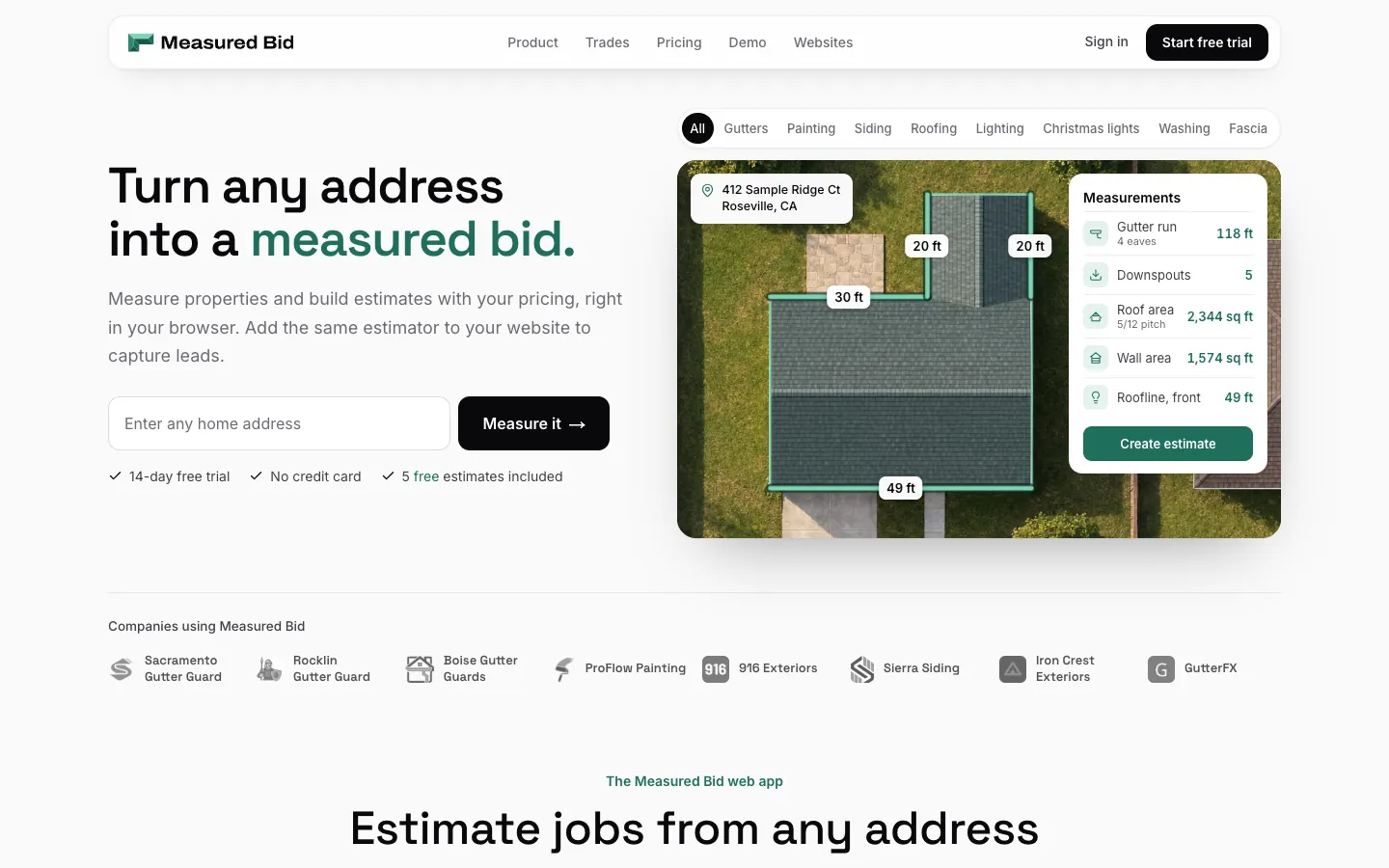
 (opens the live site in a new tab)
Digital Transformation
Modernize your business with comprehensive digital solutions that improve efficiency, reduce costs, and create competitive advantages.
What is digital transformation?
Digital transformation is the process of replacing manual workflows, disconnected tools, and legacy systems with integrated, modern technology so a business can operate faster and make better decisions. It usually covers four areas: systems modernization, cloud migration, process automation, and data infrastructure. The goal is measurable operating leverage, not technology for its own sake.
Who this is for: Established businesses with legacy systems, growing companies outgrowing current technology, organizations struggling with manual processes, and operators who want fewer tools doing more work.
How we approach it: We prioritize high-impact changes, minimize disruption to live operations, and stage rollouts so your team can adopt one change at a time. Your transformation isn't done until the new workflow is in daily use and the old one is retired.
What does a phased digital transformation roadmap look like?
Most mid-market transformations move through three stages: a short assessment, a focused pilot, and a staged scale-up across the rest of the business. The table below shows the deliverables and KPIs we use to scope each stage. Timelines and pricing depend on company size and system count.
| Phase | Timeline | Deliverables | KPIs |
|---|---|---|---|
| 1. Assess | Set after discovery | System inventory, pain-point map, prioritized roadmap, ROI estimates | Hours/week of manual work identified; quick-win shortlist |
| 2. Pilot | Set after discovery | One end-to-end workflow modernized (e.g., quote-to-cash, onboarding, intake) | Processing time, error rate, user adoption on pilot workflow |
| 3. Scale | Set after discovery | Remaining workflows, integrations, dashboards, training, legacy retirement | FTE hours saved, system count reduced, cycle time, data-quality score |
We confirm scope, timeline, and pricing with you after the Assess phase.
What services are included in a digital transformation engagement?
Six work areas we typically cover, picked based on your assessment
Legacy System Modernization
Replace outdated systems with modern, scalable technology. Migrate from legacy platforms to cloud-based solutions without losing critical business data or disrupting operations.
Key Benefits
- Eliminate outdated, inefficient systems
- Improve system performance and reliability
- Reduce maintenance costs significantly
- Enable modern integrations and APIs
- Preserve critical business data
- Scalable architecture for growth
Approach
AssessmentData MigrationPhased RolloutParallel TestingTraining
Which sub-service do you need first?
Pick the workstream that maps to your biggest current bottleneck
What do we hand over at the end?
Documented systems, working automations, and a trained team — not just a deck
Transformation Roadmap
Phased plan prioritizing high-impact initiatives
Modern Systems
Cloud-based, scalable technology platforms
Data Migration
Safe migration of critical business data
Process Automation
Automated workflows reducing manual work
System Integrations
Connected ecosystem eliminating silos
Security Implementation
Enterprise-grade security and compliance
Training Program
Comprehensive team training and adoption
Analytics Dashboards
Real-time insights and reporting
Ongoing Support
Continuous optimization and support
Which tools and platforms do we work with?
A mainstream stack chosen for vendor stability and easy hiring later
Cloud
- AWS
- Azure
- Google Cloud
- Vercel
Development
- Next.js
- Python
- Node.js
- APIs
Automation
- Zapier
- Make
- Python Scripts
- RPA
Data
- PostgreSQL
- MongoDB
- Analytics
- ETL
Which industries does this work for?
Common patterns we see in mid-market modernization projects
Manufacturing
IoT integration, supply chain automation, quality control systems
Healthcare
EHR modernization, patient portals, telehealth platforms
Financial Services
Core banking modernization, digital customer experiences, compliance automation
Retail
Omnichannel systems, inventory automation, customer data platforms
Professional Services
Client portals, billing automation, knowledge management systems
Logistics
Route optimization, tracking systems, warehouse automation
What has Verlua built?
Live software and web products from our portfolio, each with its own case study
(opens the live site in a new tab)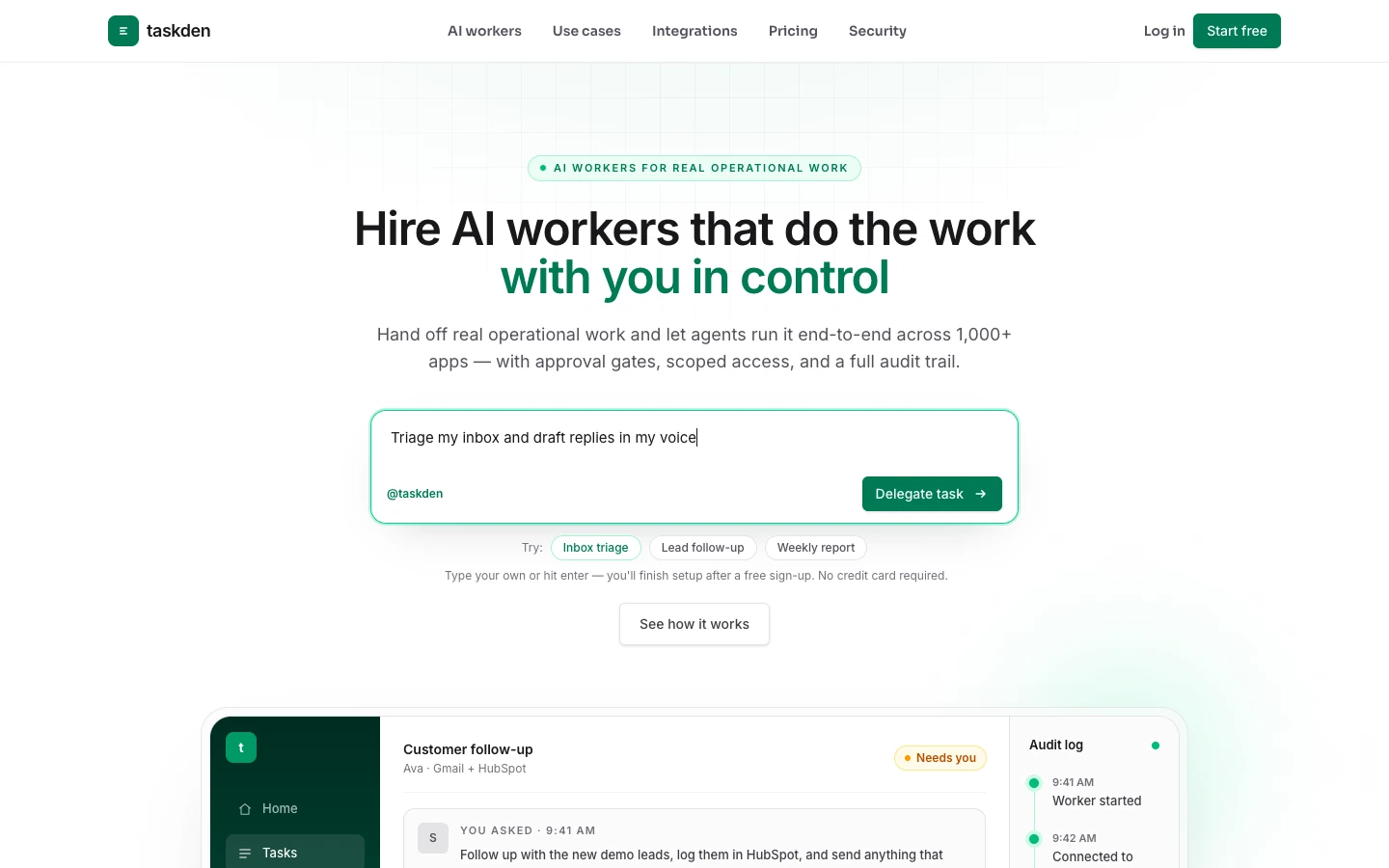 (opens the live site in a new tab)
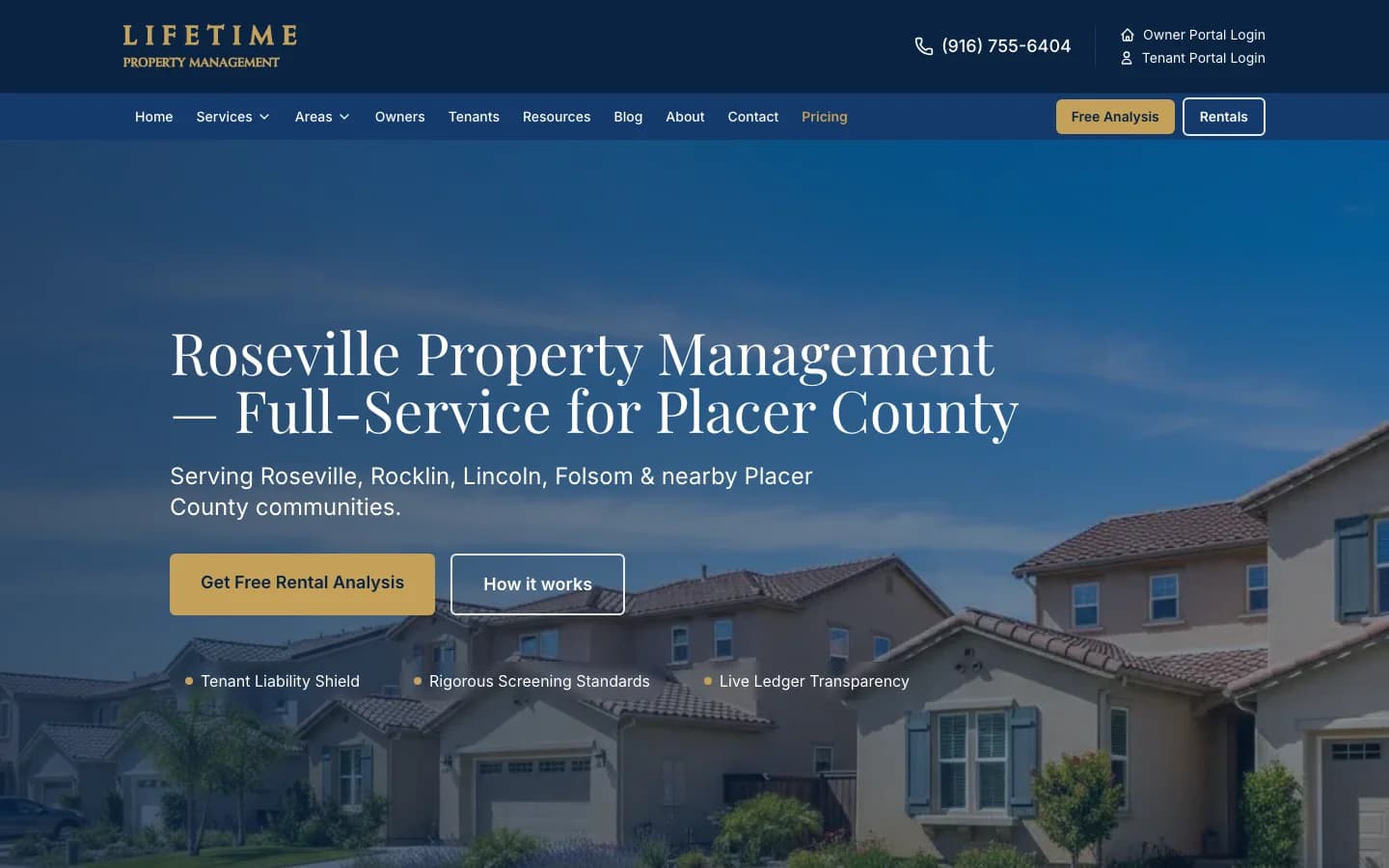 (opens the live site in a new tab)
Lifetime Property Management
Roseville and Placer County property manager with tenant and owner portals and a rental analysis request.
What does Verlua's digital transformation process look like?
Six stages from assessment to ongoing optimization
1
Assessment & Strategy
Evaluate current state, identify pain points, define vision, and create transformation roadmap.
2
Planning & Design
Design future state architecture, prioritize initiatives, and plan phased implementation.
3
Implementation
Execute transformation initiatives in phases, deliver quick wins early, minimize disruption.
4
Integration & Testing
Connect systems, migrate data, test thoroughly, and prepare for deployment.
5
Training & Adoption
Train teams, support change management, ensure adoption and engagement.
6
Optimization & Support
Monitor performance, gather feedback, continuously improve, and provide ongoing support.
Digital transformation FAQ
Buyer questions we hear most often during scoping calls
What is digital transformation and why is it important?
Digital transformation is the process of using technology to fundamentally change how your business operates and delivers value to customers. It's critical for staying competitive, improving efficiency, meeting customer expectations, and adapting to market changes. Companies that embrace digital transformation gain operational advantages, better customer experiences, and sustainable growth.
How do we know if our business needs digital transformation?
Signs include: manual processes consuming excessive time, legacy systems limiting growth, poor integration between business tools, difficulty accessing real-time data, customer complaints about digital experiences, or falling behind competitors in technology. If any of these sound familiar, digital transformation can help.
What does the digital transformation process involve?
We start with assessing your current state, identifying pain points, and defining goals. Then we create a transformation roadmap, prioritize initiatives, and implement changes in phases. This includes modernizing systems, automating processes, migrating to cloud, integrating platforms, and training teams—all while minimizing disruption to operations.
How long does digital transformation take?
Timeline varies by scope. Quick wins like process automation can deliver results within weeks. Replacing legacy systems takes months. We prioritize high-impact changes early and deliver value incrementally rather than waiting for everything to be complete.
Will digital transformation disrupt our business operations?
We design transformation initiatives to minimize disruption through careful planning, phased rollouts, parallel operations during transitions, and comprehensive training. Many improvements happen behind the scenes. We schedule major changes during low-impact periods and always have rollback plans.
What ROI can we expect from digital transformation?
ROI depends on the workflow and the starting point, and we do not promise a specific figure. We agree on the measures up front, such as hours of manual work removed, error rates, cycle time, and system count, and report against them after each phase.
How do you handle change management and employee adoption?
Change management is critical. We involve key stakeholders early, communicate benefits clearly, provide comprehensive training, offer ongoing support, and identify champions within your organization. We also design systems to be intuitive, reducing the learning curve and improving adoption rates.
Can you work with our existing technology stack?
Absolutely. We assess your current systems, identify what to keep, what to replace, and what to enhance. Many transformation initiatives involve integrating new capabilities with existing systems rather than wholesale replacement, preserving your technology investments while adding modern capabilities.
Ready to Transform Your Business?
Let's modernize your operations, improve efficiency, and position your business for long-term success.