AI Development in San Francisco, CA
Intelligent automation and AI solutions that transform your operations
Helping Technology, Finance, Tourism and other businesses across the San Francisco Bay Area grow online.
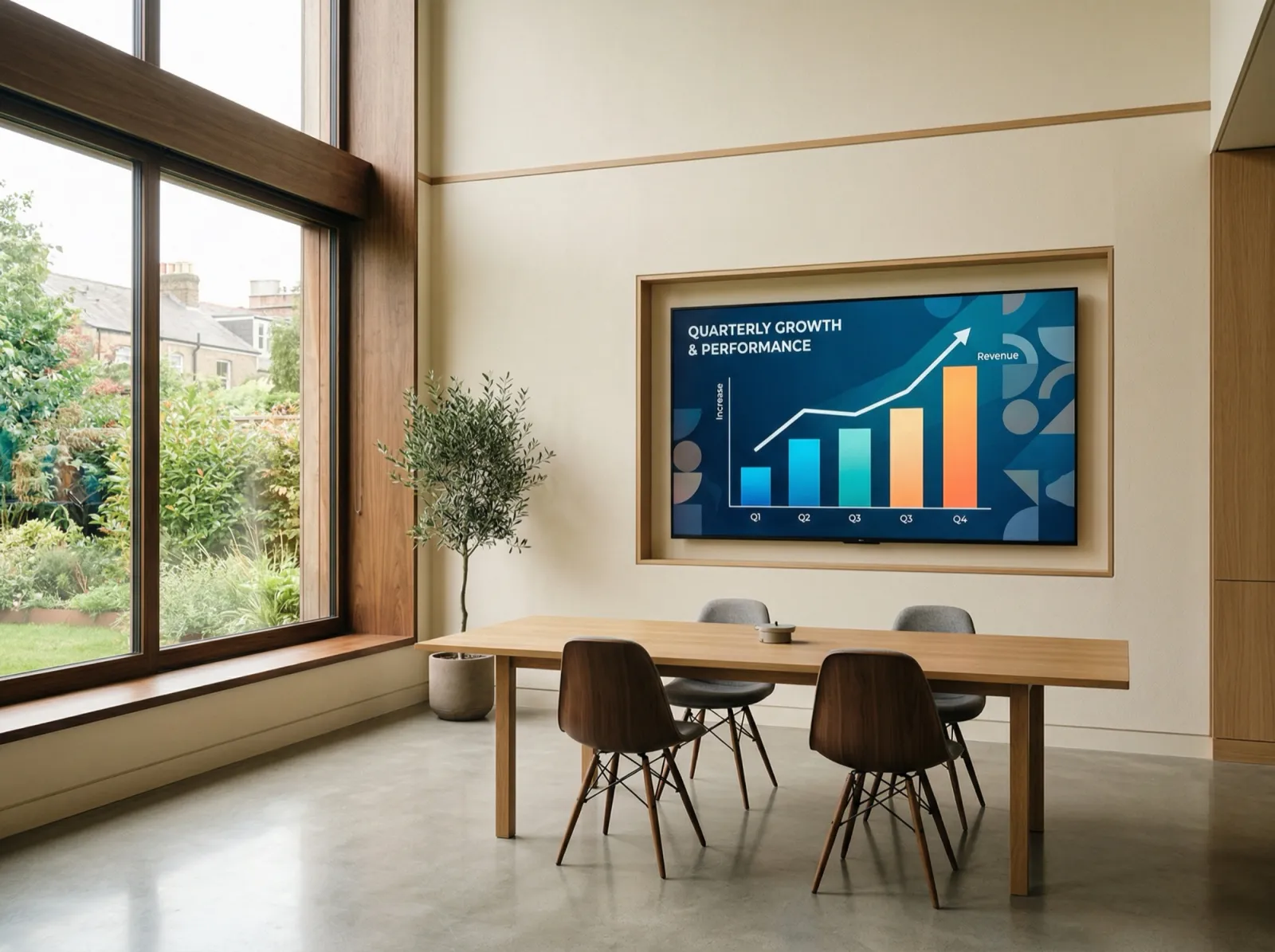
Artificial intelligence is no longer science fiction - it is a practical tool that can dramatically improve your business operations. Our AI development services help businesses implement custom chatbots, workflow automation, and intelligent data processing solutions. We leverage cutting-edge AI models from OpenAI, Anthropic, and others to create solutions that save time, reduce costs, and improve customer experience.
AI Development in San Francisco, CA
AI development in San Francisco operates on a different floor of the same building as the rest of California.
The buyers calling are technically literate, often shipping AI themselves, and they distinguish quickly between an agency that has built production RAG and one that has read about it.
SoMa and the Mission hold the Series A through C startups asking for embedding pipelines that scale past a hundred million vectors, function-calling agents wired into Linear and Stripe, and evaluation harnesses that catch model regressions before customer support does.
OpenAI and Anthropic both have offices here, which means the buyer pool includes engineers who have evaluated every frontier model on their own benchmarks.
AI Development for San Francisco's Top Industries
How we apply ai development to the verticals driving San Francisco's economy.
Technology
AI development for an SF tech company usually means production work shipped inside their own product. SoMa and Mission startups ask for embedding pipelines indexed against their own document corpus or customer data, function-calling agents tied into their existing API surface, and evaluation harnesses that measure regression before model upgrades hit production. Buyers here have already evaluated GPT-4-class, Claude, and several open-source models on their own benchmarks, so the conversation skips the model-comparison slide and lands on infrastructure: vector database choice, retrieval strategy, prompt versioning, and observability. CCPA and CPRA shape data handling on every consumer-facing surface. The deliverable is code reviewed by engineers, not a slide deck — and the build often runs alongside the client's own AI team rather than replacing it.
See all industries we serveFinance
RIAs, boutique wealth managers, and lending shops in the Financial District around Montgomery and California streets buy AI under SEC and FINRA marketing rules, which constrain everything a model says to a prospective or current client. Practical builds here include RAG systems indexed against the firm's research, regulatory filings, and client-communication archives, with citation-anchored responses and strict refusal patterns when output crosses into fiduciary advice. Document classifiers route inbound emails and statements. Audit-grade logging captures every model interaction for examiner review. Voice transcription and summarization for client-meeting workflows have to clear retention rules that often exceed standard SaaS defaults. The model layer is usually Claude or Azure OpenAI — both clear the compliance bar most California financial firms expect.
See all industries we serveBiotechnology
AI builds for Mission Bay biotech tenants — clinical-stage therapeutics companies, CROs, and UCSF-adjacent spinouts — operate under FDA promotional rules and HIPAA at the same time. Patient-recruitment chatbots have to respect 21 CFR Part 202 fair-balance and off-label restrictions, with hard-coded refusal patterns on any unapproved-indication question. RAG systems indexed against scientific literature, internal protocols, and regulatory submissions are common, and citation accuracy matters more than conversational tone — biotech reviewers care whether the model can point to a real PMID, not whether it sounds friendly. Document-processing pipelines for IND, NDA, and clinical-study submissions speed regulatory work. The model and infrastructure choices have to survive an IRB and quality review, not just an engineering one.
See all industries we serveAI Development Across San Francisco
We work with businesses across San Francisco's commercial districts and surrounding communities.
SoMa (South of Market)
SaaS, AI, and fintech startups asking for production RAG, function-calling agents, and evaluation infrastructure shipped inside their own product. Buyers here often run their own AI teams.
Financial District (FiDi)
RIAs, wealth managers, and banking-adjacent firms building under SEC and FINRA marketing rules. Audit-grade logging, citation-anchored RAG, and strict refusal patterns are baseline.
Mission Bay
Life-sciences corridor anchored by UCSF Mission Bay. Clinical-trial recruitment chatbots, regulatory document pipelines, and scientific-literature RAG with FDA and HIPAA discipline.
Mission District
Independent restaurants, bars, and creative studios along Valencia and Mission. Site concierge chatbots and small-scale automation tied into Toast, Resy, or Square.
Hayes Valley
Boutique retail, design-led restaurants, and small professional offices. Photography-forward sites benefit from inventory chatbots, reservation agents, and content-tagging automation.
Dogpatch
Industrial-turned-creative pocket south of Mission Bay. Distilleries, design studios, and biotech offshoots that price-shop SoMa rents — production AI work shipped at startup tempo.
Union Square
Flagship retail and hotel district where AI concierges, reservation agents, and mobile-first chatbots have to handle high-volume same-day intent and Maps-driven traffic.
Embarcadero
Waterfront hospitality and restaurant operators benefit from AI tools that handle reservation flows, accessibility questions, and tourist-intent queries across mobile traffic.
Why San Francisco's Market Looks the Way It Does
San Francisco hosts thousands of venture-backed technology companies, with a heavy concentration of AI and SaaS firms in SoMa and the Mission, plus offices for OpenAI, Anthropic, Stripe, and Salesforce.
AI development buyers in SF are technically literate and often shipping AI themselves. The conversation skips model comparison and lands on infrastructure — vector stores, retrieval strategies, evaluation harnesses, and observability — which is where production work differentiates from demos.
The Mission Bay biotech corridor hosts hundreds of life-sciences companies and labs anchored by UCSF Mission Bay, with clinical-stage therapeutics, CROs, and digital-health firms operating under FDA and HIPAA constraints.
AI builds for biotech tenants need citation accuracy, hard-coded refusal patterns on off-label questions, and audit logging that survives IRB and quality review — discipline that exceeds typical SaaS standards.
California's CCPA and CPRA, combined with SEC and FINRA marketing rules for Financial District buyers, create one of the most regulated environments for AI deployed against consumer or client data in the country.
Compliance posture is part of the build, not a finishing touch. Audit-grade logging, controlled vector stores, citation-anchored responses, and human-in-the-loop checkpoints earn buyer trust faster than performance numbers alone.
San Francisco AI Development FAQs
Questions we hear most often from San Francisco businesses about ai development.
What does production AI development for an SF startup actually look like, beyond a chatbot demo?
+
How does AI development work for a clinical-stage biotech in Mission Bay without crossing FDA promotional lines?
+
What does CCPA and CPRA compliance look like for an AI build serving California consumers?
+
How do we handle SEC and FINRA marketing rules when an SF wealth manager wants AI in client communication?
+
What does a real SF AI development engagement cost compared to in-house build cost?
+
Why does AI infrastructure work for an SF startup take longer than the demo timeline suggests?
+
OpenAI vs Anthropic Claude vs open-source — how do SF buyers actually pick?
+
How do SF buyers protect themselves from AI vendor risk — pricing changes, API deprecations, policy shifts?
+
Why hire Verlua for ai development in San Francisco?
Because we pair San Francisco-market context with a delivery process built around outcomes a business owner can measure. Below are the benefits Technology and Finance operators in the San Francisco Bay Area get when ai development is handled by Verlua instead of pieced together in-house.
Custom AI chatbots & virtual assistants
Workflow automation to save hours weekly
Data analysis & actionable insights
API integrations (OpenAI, Anthropic, more)
Natural language processing capabilities
Predictive analytics for better decisions
Document processing & extraction
Voice AI and phone automation
How does Verlua approach ai development in San Francisco?
We scope every San Francisco ai development engagement around the owner's revenue model first, then layer in design, build, and SEO decisions on top of that. The points below summarize where our delivery approach differs from a typical ai development vendor working with San Francisco businesses.
Experience with latest AI models and techniques
Focus on practical business outcomes, not hype
Integration expertise with existing systems
Ongoing optimization and improvement
Transparent about AI capabilities and limitations

What's included in Verlua's ai development engagement in San Francisco?
Every San Francisco ai development project from Verlua includes the deliverables below as standard scope. Add-ons (extra integrations, additional locations, ongoing retainers) are quoted separately so San Francisco owners can see exactly what each line item costs.
AI Chatbot Development
Intelligent conversational agents for customer support
Workflow Automation
Automate repetitive tasks and processes
Machine Learning Models
Custom models trained on your specific data
Data Processing
Extract insights from documents and data
API Integrations
Connect AI capabilities to your existing systems
Custom AI Solutions
Unique AI applications for your specific needs
How does Verlua's ai development process work in San Francisco?
A San Francisco ai development engagement runs through 6 phases, from discovery to launch and beyond. Each phase ends with a deliverable the owner approves before we move forward, so there are no surprise scope shifts mid-project.
Use Case Discovery
Week 1Identify highest-impact opportunities for AI in your business
Solution Design
Week 2Plan AI architecture, data requirements, and integration points
Data Preparation
Weeks 2-3Collect, clean, and structure data for AI training
Model Development
Weeks 3-5Build and train AI models for your specific use case
Integration & Testing
Weeks 5-6Connect to your systems and thoroughly test performance
Deploy & Monitor
Week 6+Launch AI solution and continuously improve based on results
What kind of results has Verlua delivered with ai development for San Francisco-area businesses?
Challenge: Support team overwhelmed with repetitive inquiries, long response times
Solution: AI chatbot handling 80% of inquiries with human escalation for complex issues
Results Achieved:
Should a San Francisco business handle ai development in-house or hire an agency?
The honest answer depends on staffing and timeline. A San Francisco owner with internal capacity and 6-12 months of runway can DIY this work. Most owners we talk to want it operational in weeks, not quarters — so they hand it off. The grid below compares both paths side by side.
DIY Approach
Limited to basic chatbot builders
No integration with your existing systems
Generic responses that frustrate customers
Hours spent on manual data entry
Unable to handle complex queries
Professional Verlua
Custom AI trained on your specific business
Seamless connection with all your tools
Intelligent, contextual interactions
Automated processing and extraction
Advanced AI capable of nuanced understanding
How much does ai development cost in San Francisco?
San Francisco ai development pricing from Verlua starts at $5,000 for a starter scope and scales based on the number of pages, integrations, and ongoing support needed. The table below shows what each tier includes, who it fits, and how long delivery typically runs.
| Package | Starts at | Typical timeline | Best fit for San Francisco businesses |
|---|---|---|---|
| AI Starter | $5,000 | Week 1 | Businesses exploring AI capabilities |
| AI Professional | $15,000 | 4-8 weeks | Businesses ready to automate operations |
| AI Enterprise | $35,000+ | By scope | Organizations with complex AI needs |
| Custom | By estimate | By scope | Multi-location, enterprise, or non-standard ai development needs in the San Francisco Bay Area |
AI Starter
Businesses exploring AI capabilities
- Basic chatbot implementation
- Pre-built AI templates
- Single integration
- Knowledge base setup
- 30 days support
AI Professional
Businesses ready to automate operations
- Custom trained chatbot
- Multiple integrations
- Workflow automation
- Analytics dashboard
- Voice AI option
- 90 days support
AI Enterprise
Organizations with complex AI needs
- Fully custom AI solution
- Advanced ML models
- Complete system integration
- Dedicated AI engineer
- Ongoing optimization
- SLA guarantee
Need a custom solution? Contact us for a personalized quote.
Which San Francisco industries does Verlua serve for ai development?
Verlua works across 7 core verticals in San Francisco, including Technology, Finance, Tourism. Each card below lists the specific ai development priorities we tend to see for that industry in the San Francisco Bay Area.
Technology
- AI-powered development tools
- Code review automation
- Intelligent testing systems
Finance
- Fraud detection systems
- Risk assessment AI
- Automated financial analysis
Tourism
- AI travel assistants
- Dynamic pricing systems
- Guest experience personalization
Healthcare
- AI diagnostic assistants
- Patient intake automation
- Medical record processing
Biotechnology
- Research data analysis
- Lab automation systems
- Drug discovery AI
Professional Services
- AI document processing
- Client communication automation
- Scheduling assistants
Startups
- Custom AI chatbots
- Workflow automation
- Data analysis and insights
Frequently asked questions about ai development in San Francisco
Quick answers to the questions San Francisco business owners ask most before starting a ai development engagement with Verlua.
How much does ai development cost in San Francisco?
AI Development costs vary based on project scope and complexity. Our packages start at $5,000 for basic projects. We offer competitive pricing for San Francisco businesses with transparent quotes and no hidden fees. Contact us for a custom quote tailored to your specific needs.
How long does a ai development project take in San Francisco?
Most ai development projects take 4-8 weeks from start to finish, depending on complexity. Our process includes discovery, design/development, testing, and launch phases. We provide detailed timelines during our initial consultation and keep you updated throughout the project.
Why choose Verlua for ai development in San Francisco?
We combine local market expertise with modern technology and proven processes. Our team understands San Francisco's business landscape, including key industries like Technology, Finance, Tourism. We focus on results - not just deliverables - and maintain ongoing partnerships with our clients.
Do you offer ongoing support after the ai development project is complete?
Yes! We offer ongoing support, maintenance, and optimization packages to ensure your ai development solution continues to perform at its best. All projects include initial support, and we offer monthly retainer options for continuous improvement.
Can you help with ai development for Technology businesses in San Francisco?
Yes — We have extensive experience working with Technology businesses in San Francisco and the San Francisco Bay Area. Our ai development solutions are customized to your industry's specific needs, compliance requirements, and customer expectations.
What makes professional ai development better than DIY solutions?
Professional ai development provides custom solutions tailored to your business, expertise that avoids costly mistakes, and ongoing support. While DIY tools seem cheaper initially, they often result in missed opportunities, wasted time, and inferior results. Our clients typically see Significant weekly hours saved per client.
Where can a San Francisco owner learn more about ai development?
Three deeper reads from the Verlua blog that walk through the same ai development concepts at the level a San Francisco business owner needs before kicking off a project.
Other Services in San Francisco
AI Development in Nearby Cities
Where in the San Francisco Bay Area does Verlua deliver ai development?
Verlua works with businesses in San Francisco proper and the surrounding 5 communities listed below. AI Development engagements run remotely, so geography inside the San Francisco Bay Area does not change scope or price.
San Francisco
Oakland
Berkeley
Daly City
San Mateo
Palo Alto
Serving ZIP codes: 94102, 94103, 94104, 94105, 94107, 94108, 94109, 94110 and surrounding areas
How do I get a ai development quote from Verlua for my San Francisco business?
Send the project details over and we'll come back with scope, timeline, and a fixed quote — usually within one business day. No obligation, no sales pressure, just a written plan for your San Francisco business.
Call Us
+1 (916) 740-7266Email Us
support@verlua.com