Prototyping Services That Bring Interactive Ideas to Life
Prototyping services that turn concepts into clickable UX prototypes for testing, validation, and stakeholder alignment. Reduce risk and ship the right product the first time.
ROI from prototyping before development
of usability issues found in prototype testing
faster stakeholder decision-making with prototypes
Validate, Test, and Refine Before You Build
Prototypes transform abstract ideas into tangible experiences you can test, refine, and validate before committing development resources.
De-Risk Product Decisions
Interactive prototypes let you test features, flows, and concepts with real users before investing in development, ensuring you build solutions that actually solve user problems.
Accelerate Development
High-fidelity prototypes eliminate ambiguity for developers by providing interactive blueprints with complete specifications, dramatically reducing clarification questions and implementation errors.
Validate Ideas Before Committing Resources
Interactive prototypes allow you to test concepts, user flows, and features with real users before investing significant time and budget in development. This de-risks product decisions, reveals what works and what doesn't, and ensures you build the right solution the first time.

Align Stakeholders and Get Buy-In Faster
Prototypes bridge the gap between abstract ideas and concrete experiences. Stakeholders, investors, and team members can experience your vision firsthand through clickable, realistic prototypes that communicate far more effectively than documentation or static designs ever could.
Accelerate Development with Clear Specifications
High-fidelity prototypes serve as interactive blueprints for developers, eliminating ambiguity about intended behavior, interactions, animations, and edge cases. This reduces back-and-forth questions, prevents implementation mistakes, and accelerates development velocity significantly.
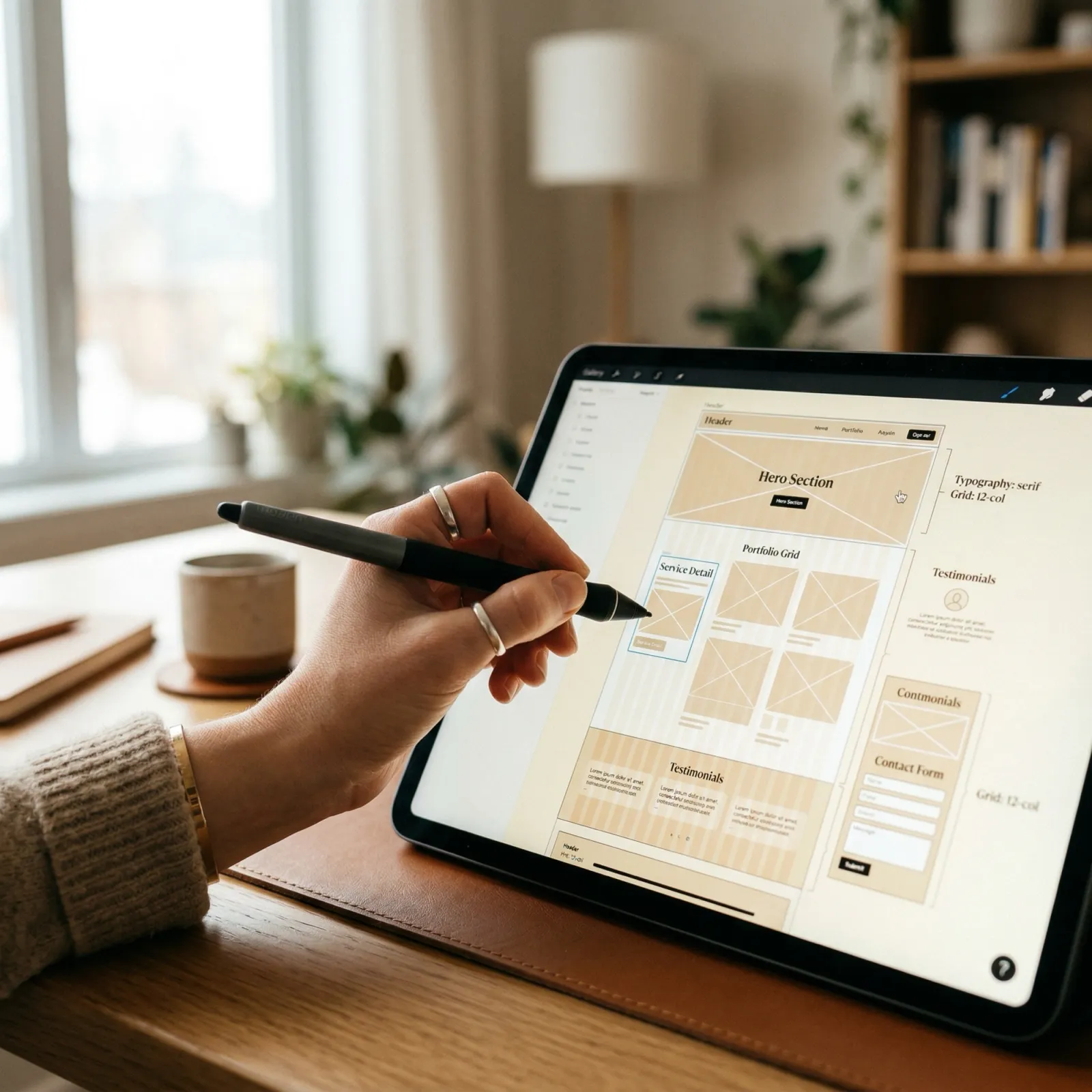
Reduce Risk and Prevent Costly Mistakes
Changing a prototype takes minutes. Changing production code takes days or weeks. Prototyping uncovers unclear requirements, technical constraints, missing features, and UX problems while they are still easy and inexpensive to fix, protecting your timeline and budget.
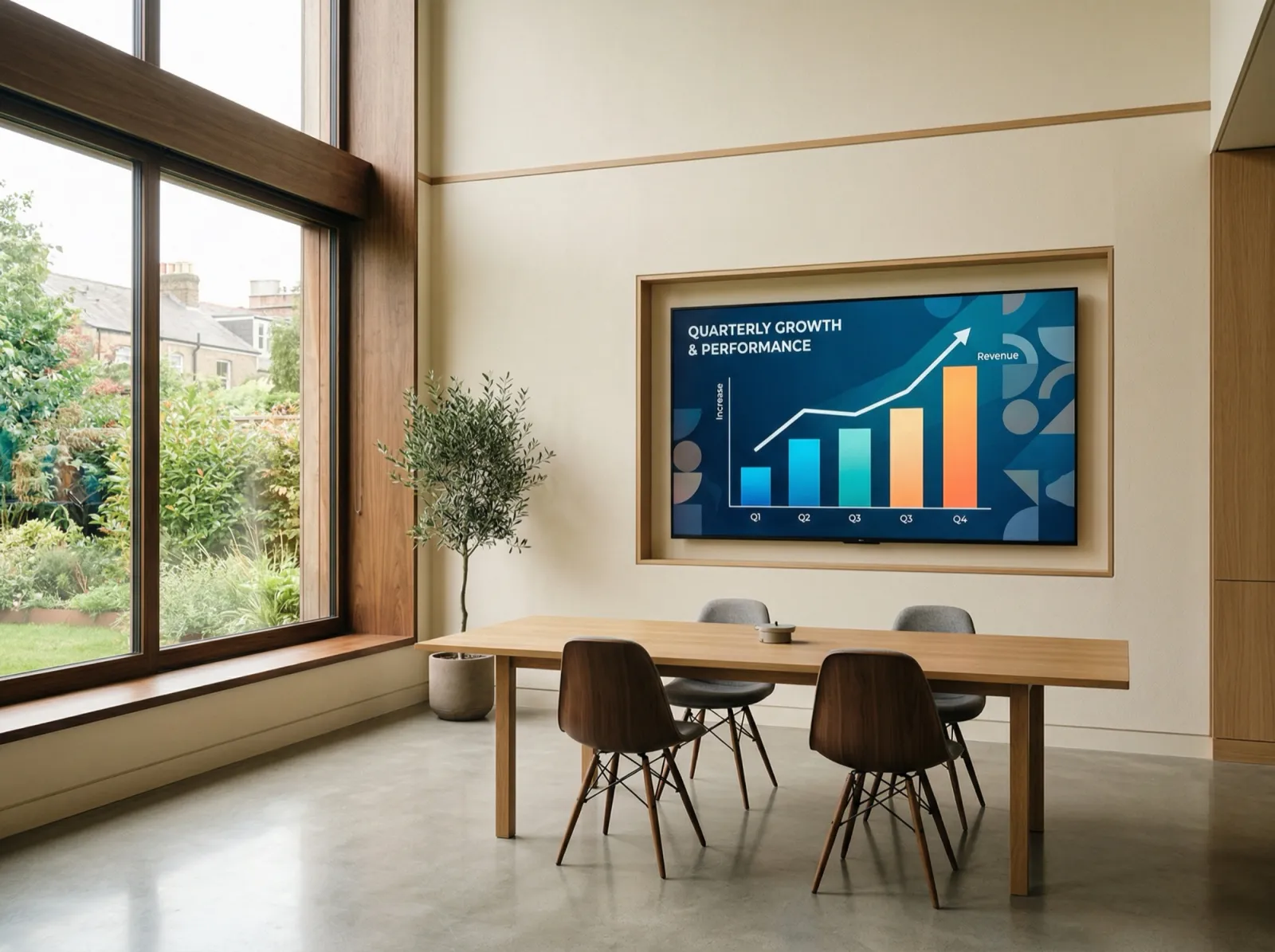
Prototype Fidelity Levels
We create prototypes at different fidelity levels depending on project stage and testing goals
Low-Fidelity
Simple wireframe prototypes focusing on structure, layout, and user flow without visual design details.
- Fastest to create and iterate
- Perfect for early concept testing
- Validates information architecture
- Ideal for rapid stakeholder alignment
Mid-Fidelity
Prototypes with basic visual design, real content, and key interactions to test core user experience.
- Balance between speed and realism
- Tests usability with real content
- Includes basic interactions and states
- Good for internal user testing
High-Fidelity
Pixel-perfect prototypes with polished design, animations, and interactions that closely simulate the final product.
- Realistic product experience for testing
- Includes animations and transitions
- Perfect for investor presentations
- Complete developer specifications
Tools We Use
Industry-leading prototyping tools for creating interactive, production-ready experiences
Figma
Primary tool for collaborative design and prototyping with powerful component systems and sharing capabilities
Framer
For advanced animations, complex interactions, and production-ready prototypes with code components
ProtoPie
For sophisticated mobile interactions, sensor-based experiences, and complex gesture-driven prototypes
React/Next.js
For functional prototypes requiring real data, API integration, or proof of technical concepts
Trusted by Product Teams and Innovators


Real Prototyping Success Stories
See how interactive prototypes helped teams validate ideas, secure funding, and accelerate development.
FinTech Mobile App Prototype
Velocity Financial
Created a high-fidelity mobile app prototype for a new peer-to-peer payment platform. Extensive usability testing with 12 participants uncovered critical navigation issues that were resolved before development, saving an estimated 6 weeks of rework.
Technologies
Our UX Prototyping Process
A structured approach from concept to tested, validated prototypes ready for development
Discovery & Requirements Gathering
We begin by understanding your goals, target users, key user flows, technical constraints, and success metrics. We review existing research, analytics, and competitive solutions to inform prototype scope and fidelity requirements.
Deliverables
Low-Fidelity Wireframe Prototyping
Create simple, interactive wireframe prototypes focused on structure, navigation, and user flow. This allows rapid iteration on core concepts and information architecture without investing in visual design details.
Deliverables
Concept Testing & Validation
Test low-fidelity prototypes with target users or stakeholders to validate core concepts, identify navigation issues, and gather feedback on overall approach before investing in high-fidelity design.
Deliverables
High-Fidelity Design & Interaction
Transform validated wireframes into polished, high-fidelity prototypes with real design, brand elements, interactions, micro-animations, and transitions that closely simulate the final product experience.
Deliverables
Usability Testing & Refinement
Conduct structured usability testing sessions with real users completing realistic tasks in the prototype. Analyze findings, identify friction points, and refine the prototype based on observed behavior and feedback.
Deliverables
Developer Handoff & Documentation
Deliver final prototype with comprehensive documentation including interaction specs, animation timing, all UI states, responsive behavior, and design tokens. Ensure developers have everything needed for accurate implementation.
Deliverables
Complete Prototyping Deliverables
Everything you need for testing, stakeholder presentations, and smooth developer handoff
Interactive Clickable Prototypes
Fully interactive prototypes with realistic navigation, transitions, and user flows that simulate the actual product experience for testing and demonstration.
Multiple Fidelity Levels
Low-fidelity wireframe prototypes for early concept testing and high-fidelity prototypes with polished design for usability testing and stakeholder presentations.
Responsive & Multi-Device Prototypes
Prototypes designed for multiple devices and screen sizes including desktop, tablet, and mobile, with device-specific interactions and navigation patterns.
Interaction Specifications
Detailed documentation of all interactions, animations, transitions, and micro-interactions with timing, easing, and behavior specifications for developers.
Usability Testing Reports
Comprehensive usability testing findings with session recordings, user quotes, pain points, task success rates, and prioritized recommendations for improvement.
Complete Source Files
Full Figma prototype files with organized pages, frames, components, and interactions that your team can access, update, and reference anytime.
User Flow Documentation
Visual user flow diagrams showing all paths through the prototype, decision points, edge cases, error states, and alternative scenarios.
Presentation-Ready Demos
Polished prototype demos optimized for stakeholder presentations, investor pitches, and user testing with optional password protection and custom branding.
Developer Handoff Package
Complete specifications for development including all states (hover, active, disabled, loading, error), responsive breakpoints, and animation parameters.
Related Services
Explore our full suite of UI/UX design services to create exceptional digital experiences
UX Research
Validate prototypes with real users through comprehensive usability testing and research.
Wireframing
Establish structure and flows with wireframes before investing in high-fidelity prototypes.
UI Design
Transform prototypes into polished, production-ready UI with beautiful visual design.
Design Systems
Build reusable component libraries from prototype patterns for scalable products.
Website Design
Convert prototypes into live websites with strategic design and development expertise.
Product Strategy
Strategic planning to ensure prototypes solve the right problems and drive business value.
What Our Clients Say
Real feedback from product teams who transformed their ideas into validated prototypes
“The prototype Verlua created for our SaaS platform was instrumental in securing our Series A funding. Investors could actually experience our vision, not just hear about it. The prototype became our north star throughout development.”
David Park
Founder & CEO at DataFlow Analytics

“We saved at least 8 weeks of development time by testing with prototypes first. The usability testing uncovered issues we never would have anticipated. Changing the prototype took hours; changing code would have taken weeks.”
Lisa Martinez
Head of Product at Velocity Financial

“The interactive prototype transformed how we communicate with stakeholders. Instead of explaining features in meetings, we just share the prototype link. Everyone immediately understands the vision and provides better feedback.”
James Foster
VP of Digital at Urban Market Co.

Frequently Asked Questions
Everything you need to know about our UX prototyping services
What is the difference between low-fidelity and high-fidelity prototypes?
Low-fidelity prototypes are simple, often grayscale wireframes that focus on layout, structure, and user flow without detailed design. They are quick to produce and perfect for early-stage concept validation. High-fidelity prototypes closely resemble the final product with real colors, typography, images, and interactions, making them ideal for usability testing, stakeholder presentations, and developer handoff. We typically start with low-fidelity for rapid iteration and progress to high-fidelity once the core experience is validated.
How long does it take to create a prototype?
Prototype timelines depend on fidelity level and scope. A simple low-fidelity clickable prototype for a 5-10 screen flow typically takes 3-5 days. Mid-fidelity prototypes with basic interactions take 1-2 weeks. High-fidelity prototypes with polished design, animations, and complex interactions for a full product can take 2-4 weeks. We provide a detailed timeline during discovery based on your specific needs and testing goals.
Can prototypes be used for actual usability testing?
Yes — Prototypes are specifically designed for usability testing and are one of the most valuable tools for uncovering UX issues before development. We create prototypes with realistic interactions and flows that allow test participants to complete actual tasks. This reveals navigation issues, confusing labels, missing features, and friction points that would be expensive to fix after development. Testing with prototypes reduces development risk and ensures we build the right experience.
What tools do you use for prototyping?
Our primary prototyping tool is Figma, which offers powerful design and prototyping capabilities in one platform with excellent collaboration features. For complex interactions and animations, we also use Framer and ProtoPie. For coded prototypes or proof-of-concepts requiring real data, we build functional prototypes using React and Next.js. Tool selection depends on prototype fidelity, interaction complexity, and whether the prototype needs to integrate with real APIs or backend systems.
How detailed should a prototype be before development?
The ideal detail level depends on project complexity and team needs. At minimum, prototypes should clearly demonstrate all key user flows, interactions, states (hover, active, disabled), error handling, and responsive behavior. For complex products, prototypes should include edge cases, empty states, loading states, and error scenarios. More detail upfront reduces ambiguity, prevents development rework, and ensures developers have complete specifications. We calibrate detail level based on your development team's experience and project risk.
Can I share prototypes with stakeholders and investors?
Yes! High-fidelity prototypes are perfect for stakeholder presentations and investor demos because they communicate your vision far more effectively than static mockups or verbal descriptions. We create shareable prototype links that work in any browser without software installation. You can present prototypes in meetings, send them for async review, or use them in fundraising pitches. We can also add password protection and customize the presentation for different audiences.
What happens to the prototype after development starts?
Prototypes remain valuable throughout development as the source of truth for intended behavior and design details. Developers reference prototypes to understand interactions, animations, and edge cases. After launch, prototypes continue to serve as documentation for future team members and can be updated as the product evolves. We provide complete prototype files along with interaction specifications, so your team maintains full access and control.
Can you create prototypes for mobile apps?
Yes — We design prototypes for iOS and Android apps that follow platform-specific design patterns and interaction models. Mobile prototypes include touch gestures (swipe, pinch, long-press), native navigation patterns, and screen-to-screen transitions that feel authentic to each platform. These prototypes can be tested on actual devices for realistic usability testing. We ensure prototypes respect platform guidelines while maintaining your brand identity.
How do prototypes reduce development costs?
Prototypes dramatically reduce development costs by identifying problems before code is written. Changes to a prototype take minutes; changes to production code can take days or weeks. Prototypes reveal unclear requirements, missing features, and UX issues that would otherwise surface mid-development, causing costly rework. Usability testing with prototypes uncovers user confusion early. Stakeholder alignment on prototypes prevents scope creep and late-stage changes. Most clients see 3-5x ROI from investing in prototyping before development.
Do you offer usability testing as part of prototyping?
Yes! We offer comprehensive usability testing services using the prototypes we create. This includes test planning, participant recruitment (or working with your users), moderated testing sessions, analysis of findings, and prioritized recommendations for improvements. Testing typically involves 5-8 participants completing realistic tasks while we observe and gather feedback. Findings are delivered as a detailed report with video clips, pain points, and suggested fixes. Testing and iteration is the best way to ensure your product will succeed with real users.
Ready to Validate Your Ideas Before You Build?
Let's create interactive prototypes that test your concepts, secure stakeholder buy-in, and give developers the clarity they need to build it right the first time.