Conversion-Driven Design That Turns Browsers Into Customers
Conversion-driven design that lifts signups, demos, purchases, and engagement. Every UX and UI decision backed by research, validated through testing, and tuned for measurable results.
average conversion rate improvement
typical ROI on CRO investment
of companies cite testing as key to growth
average value per test winner
Design That Doesn't Just Look Good—It Performs
Beautiful design attracts attention. Conversion-driven design turns that attention into action, revenue, and growth.
Data-Informed Decisions
Every design choice is grounded in user behavior data, analytics insights, and validated through rigorous A/B testing. No guesswork, just proven improvements.
Measurable Results
We optimize for metrics that matter—conversion rates, revenue per visitor, lead quality, and customer lifetime value. Track improvements in real-time and see ROI clearly.
Data-Driven Conversion Research
We start with deep insights, not assumptions. Through comprehensive analytics analysis, heatmap studies, session recordings, user surveys, and competitive benchmarking, we uncover exactly where users struggle and why they abandon. This research foundation ensures every design decision is grounded in real user behavior and backed by data.
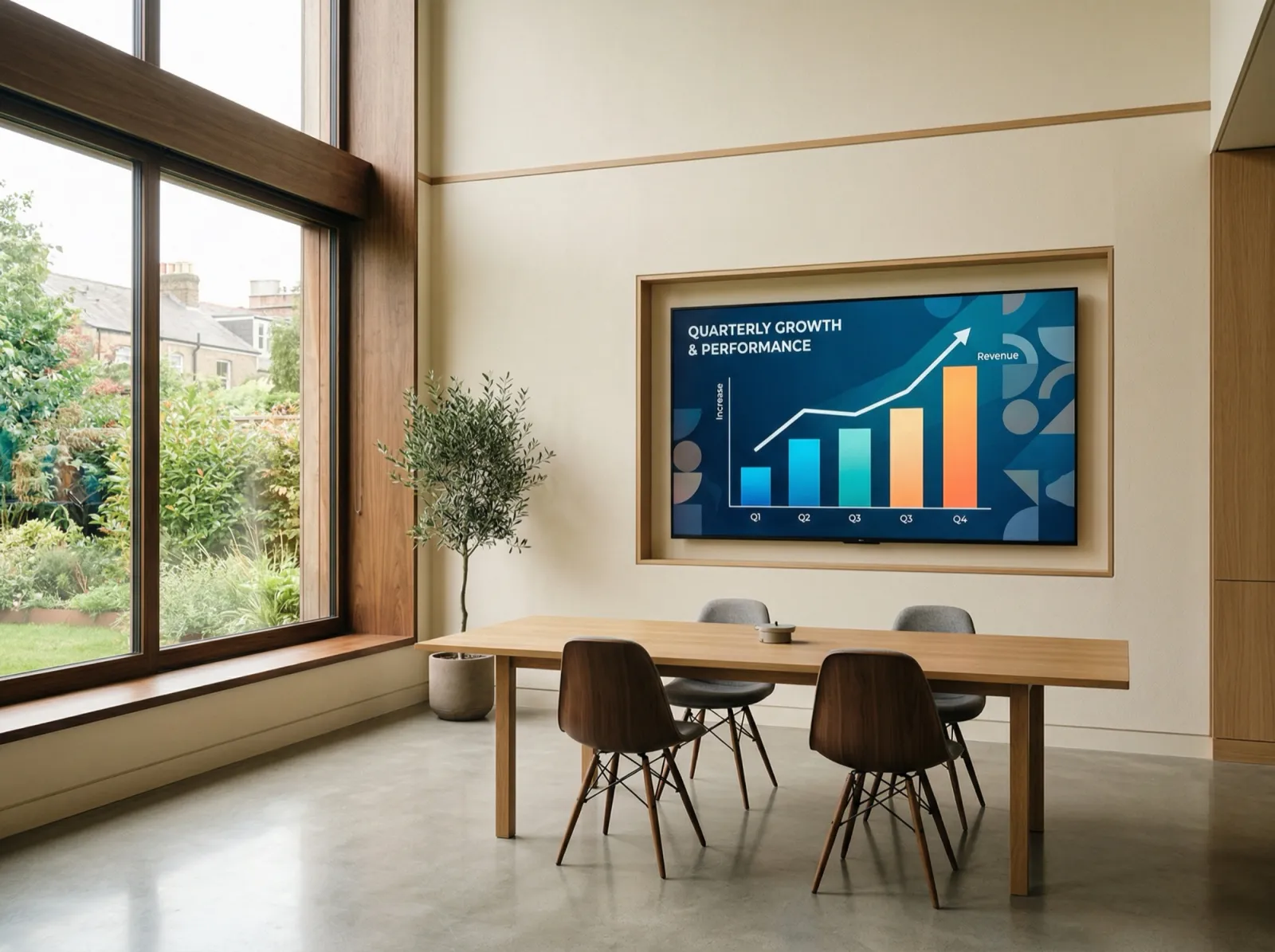
Strategic UX Improvements for Conversion
We redesign user experiences to eliminate friction, reduce cognitive load, and create clear paths to conversion. Through improved information architecture, simplified navigation, optimized form flows, and strategic content placement, we make it effortless for users to complete desired actions while building confidence at every step.

High-Converting UI & Trust Signals
Visual design that converts combines aesthetic excellence with psychological principles. We craft interfaces that build credibility through strategic use of social proof, trust badges, compelling CTAs, and persuasive design patterns. Every visual element is purposeful, guiding users toward action while reinforcing trust and value.
Rigorous A/B Testing & Experimentation
We validate design decisions through controlled experimentation, not guesswork. Our structured testing approach identifies winning variations, quantifies improvements, and builds a knowledge base of what works for your specific audience. Every test is an opportunity to learn and compound conversion gains over time.

What We Optimize For
Conversion-driven design improves the metrics that drive business growth
Revenue Per Visitor
Increase the average value generated from each site visitor through improved conversion rates and higher average order values.
Conversion Rates
Improve the percentage of visitors who complete desired actions—purchases, signups, demos, or leads.
Cart & Checkout Completion
Reduce abandonment rates and streamline the path to purchase with optimized checkout experiences.
Lead Quality & Quantity
Generate more qualified leads while improving lead-to-customer conversion through better targeting.
Engagement & Interaction
Increase time on site, pages per session, and meaningful interactions that indicate purchase intent.
Time to Conversion
Shorten the decision-making process by reducing friction and providing clear value at every step.
Trusted by Data-Driven Brands


Real Conversion Improvements for Real Businesses
See how data-driven design optimization delivered measurable results and exceptional ROI.
SaaS Platform Conversion Transformation
CloudFlow Analytics
Complete redesign of homepage, pricing, and signup flow using conversion research insights, simplified value propositions, and strategic trust signals. Implemented progressive disclosure in forms and A/B tested multiple CTA variations.
Technologies
Our Conversion-Driven Design Process
A systematic, data-informed approach to maximizing conversion performance
Conversion Research & Discovery
Deep dive into your analytics, user behavior data, conversion funnels, and competitive landscape. We analyze heatmaps, session recordings, and user feedback to identify friction points, drop-off stages, and optimization opportunities.
Deliverables
Hypothesis Development & Prioritization
Transform insights into testable hypotheses ranked by potential impact, implementation effort, and confidence level. Create a strategic optimization roadmap targeting quick wins and high-value improvements.
Deliverables
Strategic Design & UX Optimization
Design high-fidelity mockups incorporating conversion best practices, persuasive design principles, and data-driven improvements. Focus on reducing friction, building trust, and creating clear conversion paths.
Deliverables
A/B Testing & Experimentation
Implement controlled experiments to validate design changes and quantify improvements. Run statistically valid tests, monitor performance, and iterate based on results to maximize conversion gains.
Deliverables
Analysis & Iteration
Analyze test results, identify winning variations, and implement proven improvements. Document learnings, update hypotheses, and plan next optimization cycle to compound conversion gains.
Deliverables
Ongoing Optimization Program
Establish continuous optimization cycle with regular testing, monitoring, and improvements. Build organizational CRO capability through documentation, training, and strategic guidance.
Deliverables
Our A/B Testing Methodology
Rigorous experimentation that validates improvements and builds organizational learning
Hypothesis-Driven Testing
Every test starts with a clear hypothesis about what will improve conversions and why, based on research and user insights.
Statistical Rigor
We run tests to 95% statistical significance with adequate sample sizes, ensuring results are reliable and actionable.
Proper Segmentation
We analyze results by traffic source, device type, and user segments to understand what works for different audiences.
Learning Documentation
We document all test results—wins and losses—building a knowledge base that compounds value over time.
Iterative Optimization
Winners become new controls for further testing, creating a continuous improvement cycle that compounds gains.
Multi-Metric Analysis
We track primary conversion metrics plus secondary indicators to ensure improvements don't come at the cost of quality.
Complete Conversion Optimization Deliverables
Everything you need to maximize conversions and build ongoing optimization capability
Conversion Audit Report
Comprehensive analysis of current conversion performance, funnel drop-offs, user behavior patterns, and prioritized opportunities for improvement.
Hypothesis & Testing Roadmap
Prioritized list of testable hypotheses with estimated impact, effort scores, and strategic testing calendar for 3-6 month optimization program.
High-Fidelity Design Mockups
Conversion-optimized designs for key pages and flows with annotations explaining strategic decisions and conversion psychology principles applied.
A/B Test Implementations
Properly configured experiments with tracking, success criteria, and statistical rigor ensuring valid results and actionable insights.
Performance Dashboards
Real-time conversion tracking dashboards showing key metrics, test results, and performance trends for data-driven decision making.
Test Results & Analysis
Detailed analysis of each experiment including statistical significance, impact quantification, and strategic recommendations.
Optimization Playbook
Documented learnings, best practices, and proven patterns specific to your audience, creating a knowledge base for future optimization.
Ongoing Optimization Plan
Strategic roadmap for continuous improvement with testing calendar, hypothesis pipeline, and process documentation for sustained growth.
Implementation Support
Technical guidance and quality assurance ensuring designs are implemented correctly and tracking is accurate for reliable results.
Related UI/UX Design Services
Maximize your digital impact with complementary design and testing services
Usability Testing
Observe real users, find friction points, and prioritize UX fixes that move the needle with comprehensive testing.
Product Design
End-to-end digital product design from discovery to delivery. Create intuitive, high-performing products users love.
Mobile App UI/UX
Platform-native mobile design for iOS and Android. Thumb-friendly interfaces that feel native and intuitive.
Branding & Identity
Digital-first brand strategy and visual identity that builds recognition, trust, and emotional connection with your audience.
Website Design & Development
Custom website design and development with modern frameworks. Beautiful, fast, conversion-optimized websites.
What Our Clients Say About CRO Results
Real feedback from businesses we've helped grow through conversion optimization
“The conversion-driven redesign from Verlua transformed our SaaS business. Our demo request rate increased by 156% and trial-to-paid conversion improved by 67%. The data-driven approach gave us confidence that every design decision was backed by real user insights.”
Marcus Rivera
VP of Growth at TechFlow SaaS

“We were skeptical about the ROI of design optimization, but the results speak for themselves. Our e-commerce conversion rate increased by 134% and average order value grew by 28%. The structured A/B testing approach helped us understand exactly what works for our customers.”
Elena Martinez
Director of E-Commerce at Luxe Lifestyle Brands

“The team didn't just make our site look better—they made it perform better. Lead quality improved dramatically alongside quantity. Our cost per qualified lead dropped by 52% while lead volume increased by 189%. This is the definition of smart, strategic design.”
David Thompson
CMO at Enterprise Solutions Group

Frequently Asked Questions
Everything you need to know about conversion-driven design services
What is conversion-driven design and how is it different from regular design?
Conversion-driven design is a strategic approach that combines UX/UI design with conversion rate optimization (CRO) principles. Unlike traditional design that focuses primarily on aesthetics or brand expression, conversion-driven design is grounded in user behavior data, testing, and optimization. Every design decision is made with the goal of reducing friction, building trust, and guiding users toward desired actions. We use heatmaps, session recordings, analytics, and A/B testing to inform our design choices, ensuring that the final product not only looks great but demonstrably improves key conversion metrics.
How do you measure the success of conversion-driven design?
We measure success through quantifiable metrics aligned with your business goals. Primary metrics include conversion rate improvements (signups, purchases, form completions), engagement metrics (time on page, scroll depth, click-through rates), and revenue metrics (average order value, revenue per visitor). We establish baseline metrics before redesign, set clear goals, and track performance through analytics platforms. We also monitor secondary indicators like bounce rate reduction, page load improvements, and mobile conversion rates. Success is measured through controlled A/B tests whenever possible, providing statistical confidence in the improvements.
What types of businesses benefit most from conversion-driven design?
Any business with digital touchpoints can benefit, but we see the highest ROI for e-commerce stores, SaaS platforms, lead generation websites, and service-based businesses with online booking or inquiry forms. Companies with existing traffic but low conversion rates see dramatic improvements. B2B companies with complex sales funnels benefit from improved lead quality and quantity. E-commerce brands typically see 20-40% improvements in conversion rates, while SaaS companies often see 30-60% increases in demo requests and trial signups through strategic design improvements.
How long does it take to see results from conversion-driven design?
Initial improvements can often be seen within 2-4 weeks of implementing design changes, though we recommend allowing 4-6 weeks to gather statistically significant data. Quick wins like improved call-to-action placement, simplified forms, or enhanced trust signals can show immediate impact. More comprehensive redesigns typically show full results within 2-3 months as we iterate based on user feedback and testing data. The process is ongoing—conversion optimization is not a one-time project but a continuous improvement cycle. We typically see cumulative improvements of 30-150% over 6 months of structured optimization.
What data do you need to start a conversion-driven design project?
Ideally, we need 30-90 days of baseline analytics data including traffic sources, user flows, conversion funnels, and existing conversion rates. We use Google Analytics, heatmap tools (Hotjar, Microsoft Clarity), session recording data, and any existing user research or testing results. If you have customer feedback, support tickets, or previous test results, those are valuable. However, we can start even with limited data—we will help implement proper tracking and begin gathering insights immediately while starting with best-practice improvements. The more data you have, the more targeted our initial recommendations can be.
Do you only focus on homepage and landing pages?
While homepages and landing pages are often high-priority optimization targets, we take a end-to-end approach to conversion optimization across the entire user journey. We optimize product pages, checkout flows, pricing pages, signup forms, navigation patterns, mobile experiences, and post-conversion experiences. We map complete user journeys and identify friction points at every stage. For e-commerce, we optimize category pages, product pages, cart, and checkout. For SaaS, we focus on homepage, pricing, signup flow, and onboarding. Every touchpoint in the conversion funnel is an opportunity for improvement.
How do you balance aesthetic design with conversion optimization?
Great design and high conversion rates are not mutually exclusive—in fact, they reinforce each other. We believe that beautiful, on-brand design builds trust and credibility, which are crucial for conversions. Our approach combines visual excellence with strategic UX and persuasive design principles. We use visual hierarchy to guide attention, white space to reduce cognitive load, and consistent branding to build recognition. Every aesthetic choice serves a strategic purpose. We test design variations to ensure beauty and performance coexist. The result is designs that look premium while performing exceptionally well.
What is your approach to A/B testing and experimentation?
We follow a structured experimentation framework based on the scientific method. First, we analyze data to identify opportunities and form hypotheses about what might improve conversions and why. We prioritize tests based on potential impact, implementation effort, and statistical requirements. We design controlled experiments with clear success criteria, run tests until statistical significance is reached (typically 95% confidence), and analyze results comprehensively. We document learnings—wins and losses—to build a knowledge base. We run multiple concurrent tests when traffic permits, and always have a testing roadmap 3-6 months ahead.
Can conversion-driven design work for mobile users?
Absolutely—mobile optimization is critical for conversion-driven design. With 60-70% of traffic coming from mobile devices, we design mobile-first and optimize specifically for touch interactions, smaller screens, and mobile user behavior patterns. Mobile users have different needs and contexts than desktop users, so we design accordingly with larger tap targets, simplified navigation, streamlined forms, and faster load times. We test extensively on actual devices and optimize mobile-specific elements like click-to-call buttons, mobile-friendly forms, and thumb-friendly interface zones. Mobile conversion optimization often delivers the highest ROI.
How much does conversion-driven design cost and what is the ROI?
Investment varies based on scope, complexity, and testing requirements. Initial conversion audits and strategy typically start at $3,000-$5,000. Comprehensive design optimization projects range from $10,000-$30,000+ depending on pages optimized, testing volume, and ongoing optimization needs. However, the ROI is substantial—a 30% conversion rate improvement on a site generating $50,000 monthly revenue translates to $15,000+ additional monthly revenue, paying for the project within 1-2 months. Most clients see 3-10x ROI within the first year. We can provide ROI projections based on your current traffic and conversion metrics during our discovery phase.
Ready to Transform Visitors Into Customers?
Let's build a data-driven optimization program that delivers measurable conversion improvements and exceptional ROI month after month.
Typical Conversion Increase
Average Return on Investment
To Measurable Results